Category: Canada Immigration News

Stay informed with the latest updates and developments in Canadian immigration. Our blog covers breaking news, policy changes, and essential information to guide your journey to Canada.

  • Fraud and Security Risks at Canadian Visa Application Centres Abroad: What Applicants Need to Know

    Fraud and Security Risks at Canadian Visa Application Centres Abroad: What Applicants Need to Know

    Internal government records have revealed serious fraud, security failures, and technical vulnerabilities at several Canadian visa application centres (VACs) overseas. The centres are operated by federal contractor VFS Global. The findings obtained by CBC News through an Access to Information request raise pressing questions about oversight, applicant safety, and the value of hundreds of millions in taxpayer-funded contracts.

    Who is VFS Global?

    VFS Global operates 164 visa application centres across 109 countries on behalf of the Canadian government. The company does not make immigration decisions. Instead, it handles administrative tasks, collecting biometrics, processing documents, and returning passports on behalf of Immigration, Refugees and Citizenship Canada (IRCC). According to a review of federal contract records, the government has awarded VFS and its subsidiary TT Visa Services more than $770 million in contracts since 2012.

    Third-Party Fraud: Appointment Reselling in Bangladesh

    Internal documents show that IRCC officials flagged a widespread appointment-reselling scheme at VFS’s Dhaka, Bangladesh centre. Unauthorized third-party resellers were block-booking available appointment slots and selling them to applicants for up to $250 CAD per person. Applicants facing IRCC’s strict processing deadlines had little choice but to pay.

    Ottawa resident Salah Uddin experienced this firsthand. In 2024, he was unable to find any available appointments for his in-laws within the required 30-day window. A third-party reseller demanded approximately $250 per person. Rather than pay, he mailed the passports to a friend in Malaysia to submit them there instead.

    “It’s a fraud. It’s not justifiable,” Uddin said. “They just made people hostages.”

    Canadian officials attempted to simulate the booking process themselves and encountered the same obstacles. Internal emails confirm that a significant share of applicants could only submit their passports by using third-party resellers or expensive premium VFS services — raising clear access and equity concerns.

    Premium Fees: Paying for Basic Access

    Beyond third-party fraud, IRCC’s own records flagged concerns about VFS’s premium fee services. Applicants who paid for “premium lounge access” were served quickly; those who did not faced hours-long queues. One IRCC official noted that clients could not realistically meet processing deadlines “unless they use the premium services, which is more expensive.”

    VFS says its optional value-added services are offered only with prior government approval. IRCC acknowledges it does not track VFS’s revenue from these services and says they are not mandatory. Critics disagree, arguing that when standard services are inaccessible without paying extra, the fees become de facto mandatory.

    Security Failures: Unscreened Staff and a Malware Attack

    The documents also reveal serious security deficiencies at some VACs. At the Dhaka office, records show that only one staff member had been security-screened despite others having access to calls and emails. A 2023 IRCC email warned that all staff “listening to calls or monitoring emails” must be screened.

    Separately, VFS’s Russia operations suffered a significant internet outage in April 2024, amid the ongoing war in Ukraine. A later email from an IRCC manager confirmed a malware attack at a VAC. Canadian officials scrambled to find workarounds, including routing urgent cases such as seafarers and family emergencies through the Canadian embassy directly.

    We Could Write a Novel: What Internal Emails Reveal

    The tone of internal communications speaks volumes. One Canadian official, preparing to visit Dhaka in February 2024, wrote: “We could write a novel about all the fraud we are seeing.” The official asked for more detail on the scale of fraud, the most common types, and the role of third-party consultants in enabling it.

    Immigration lawyer Karina Juma, based in Burnaby, B.C., said her clients continue to encounter problems including contradictory advice from VAC agents in Mexico. She described the situation as having a “slew” of ongoing issues related to data security, third-party fraud, and coercive fee practices. “There are probably thousands more stories,” she said.

    IRCC’s Response: VFS Has Met Contractual Standards

    Despite the documented issues, IRCC maintains that VFS has met its overall contractual expectations. The department says it does not tolerate misconduct and applies corrective measures financial or administrative when standards are not met. IRCC added that it has implemented technical measures to disrupt appointment-reselling schemes and investigates all credible fraud tips.

    VFS, for its part, says all VACs undergo regular security audits and that staff undergo thorough background checks. The company says it continues to enhance oversight measures across its global network. Both VFS and TT Visa Services contracts are set to expire in October 2027, with an option for a one-year extension. A procurement process is currently underway.

    What This Means for Visa Applicants

    If you are applying for a Canadian visa from abroad, here is what you should know:

    • Only use official VFS Global booking systems. Do not pay third parties for appointments.
    • Be cautious of anyone offering to speed up your application for a fee, this is likely fraud.
    • Report irregularities to IRCC directly. The department says all credible fraud tips are investigated.
    • If you feel pressured to pay premium fees for standard services, document your experience and consider contacting an immigration lawyer.
    • Apply early and allow extra time for biometric appointments, especially in regions with known backlog issues.

    Key Takeaway

    The internal records exposed by CBC News reveal a system under strain with third-party fraud, inadequate security screening, and technical failures creating real barriers for visa applicants around the world. While IRCC insists VFS meets its contractual benchmarks, immigration lawyers and affected applicants argue that oversight must go further. As Canada’s next VAC procurement cycle approaches, fixing these systemic issues will be critical to maintaining the integrity of the immigration process.


  • Latest Newfoundland PNP Draw Opens New Immigration Pathways

    Latest Newfoundland PNP Draw Opens New Immigration Pathways

    Newfoundland and Labrador is continuing to strengthen its immigration system with another major selection round under its new Expression of Interest model. The latest Newfoundland PNP draw issued 186 invitations on May 11, 2026. Of these, 168 invitations were issued through the Newfoundland and Labrador Provincial Nominee Program, while 18 were issued through the Atlantic Immigration Program.

    This latest round reflects a major transformation happening in Newfoundland and Labrador’s immigration system. The province is now using a modern Expression of Interest structure designed to target candidates who best match labour market priorities, economic needs, and long-term settlement goals.

    Newfoundland PNP Draw Results

    The province has now invited 186 additional candidates through both the Newfoundland and Labrador Provincial Nominee Program and the Atlantic Immigration Program, showing strong demand for skilled workers, international graduates, and economic immigrants ready to settle in Atlantic Canada. The newest Newfoundland immigration draw continues the province’s efforts to strengthen economic immigration while responding to labour shortages across multiple sectors.

    The Office of Immigration and Multiculturalism confirmed that invitations were issued under two major pathways:

    • Newfoundland and Labrador Provincial Nominee Program
    • Atlantic Immigration Program

    The province continues prioritizing skilled workers, international graduates, and candidates capable of contributing to Newfoundland and Labrador’s economic development. The latest draw demonstrates how Atlantic Canada is becoming increasingly active in attracting newcomers through targeted immigration systems.

    Latest Newfoundland Immigration Draw Details

    Draw DateTotal InvitationsNLPNP InvitationsAIP Invitations
    May 11, 202618616818

    Source: Latest Newfoundland PNP Draw Update

    What is Newfoundland’s New Expression of Interest System?

    A major change behind the latest Newfoundland PNP draw is the province’s new Expression of Interest model launched in February 2025. Previously, immigration applications often followed a first-come, first-served approach. However, growing demand and limited nomination spaces created challenges for the province.

    The new system now allows Newfoundland and Labrador to select candidates more strategically based on labour market needs and economic priorities. Under the Expression of Interest model, candidates first submit a short profile outlining important details such as:

    • Occupation
    • Education
    • Intention to settle in Newfoundland and Labrador
    • Work experience
    • Immigration eligibility

    The Office of Immigration and Multiculturalism then reviews these profiles and selects candidates most aligned with provincial priorities. This system creates greater flexibility and more targeted immigration selection.

    How does the Newfoundland Immigration Process Work?

    The updated Newfoundland immigration draw process now follows a two-stage structure.

    Step 1: Submit an Expression of Interest

    Candidates submit their EOI through the Immigration Accelerator Portal.

    This profile enters the provincial candidate pool for assessment.

    Step 2: Receive an Invitation to Apply

    Selected candidates receive an official Invitation to Apply.

    Once invited, applicants receive 60 days to submit a full application under either the Newfoundland and Labrador Provincial Nominee Program or the Atlantic Immigration Program.

    After submission, applicants receive regular dashboard updates throughout processing.

    EOIs that are not selected remain active in the pool for up to 12 months before expiring automatically.

    This modernized system allows the province to better manage application volumes and labour market priorities.

    Why Newfoundland Changed Its Immigration System?

    The latest Newfoundland draw also highlights why the province shifted away from older application systems. In 2024, Newfoundland and Labrador faced extremely high demand for immigration spaces. Applications quickly exceeded available nomination allocations. The province responded by introducing a priority-based Expression of Interest system to better distribute immigration opportunities throughout the year. Officials say the new system offers several major advantages:

    1. Better Labour Market Response

    The province can now prioritize sectors experiencing urgent shortages such as healthcare, education, and skilled trades.

    2. Smarter Allocation of Immigration Spaces

    Instead of exhausting nomination spaces early, invitations can now be distributed more evenly throughout the year.

    3. Improved Candidate Matching

    Applicants whose profiles better match provincial economic priorities are more likely to receive invitations. This targeted approach aligns Newfoundland and Labrador more closely with modern immigration systems used across Canada.

    Newfoundland Provincial Nominee Program Explained

    The Newfoundland and Labrador Provincial Nominee Program remains one of the province’s main immigration pathways under the latest Newfoundland PNP draw.

    The program:

    • Supports skilled workers, graduates, and entrepreneurs
    • Provides pathways toward Canadian permanent residence
    • Helps employers address labour shortages
    • Offers settlement support for newcomers and employers

    The province also assists Immigration Program Development Officers who help employers and applicants throughout the immigration process. Compared to larger provinces, Newfoundland and Labrador often offers lower competition and faster integration opportunities for newcomers.

    Atlantic Immigration Program Continues Supporting Employers

    The Atlantic Immigration Program also played an important role in the latest Newfoundland immigration draw. The AIP helps employers recruit skilled international workers and international graduates for approved positions.

    The program focuses heavily on:

    • Employer participation
    • Settlement planning
    • Long term retention
    • Regional economic growth

    However, Newfoundland clarified that AIP does not support recruitment for low-skilled TEER 5 occupations. This reflects Canada’s broader shift toward higher-skilled economic immigration selection. The Atlantic Immigration Program remains especially attractive for candidates seeking employer-supported pathways to permanent residence.

    Why is Newfoundland Immigration Becoming More Attractive For Immigrants?

    The latest draw reflects the province’s growing popularity among newcomers.

    Several factors continue to make Newfoundland and Labrador increasingly attractive:

    • Lower living costs compared to larger Canadian cities
    • Strong labour shortages across essential sectors
    • Growing immigration pathways
    • Smaller communities with long-term settlement opportunities
    • Employer-driven immigration support

    Healthcare, education, skilled trades, transportation, and community services continue experiencing workforce shortages throughout Atlantic Canada. This creates significant opportunities for international workers and graduates.

    For many applicants, choosing the right immigration pathway can become difficult as provinces continue introducing new systems and selection models. Newfoundland’s Expression of Interest framework, employer requirements, settlement expectations, and provincial priorities all require careful planning before applying.

    Candidates seeking professional immigration support can connect with ImmigCanada’s verified consultants, including guidance from RCIC Eivy Joy Quito and the experienced ImmigCanada team. ImmigCanada helps skilled workers, graduates, and families evaluate Newfoundland immigration pathways, prepare strong profiles, improve application strategies, and identify the best opportunities under both the Newfoundland and Labrador Provincial Nominee Program and Atlantic Immigration Program.

    With immigration systems becoming more competitive across Canada, expert guidance can help candidates avoid delays, strengthen their documentation, and improve their chances of receiving an Invitation to Apply.

    The latest Newfoundland PNP draw confirms that it is continuing to expand its role within Canada’s immigration system. Through its new Expression of Interest model, the province is now selecting candidates more strategically based on labour market needs, economic priorities, and long-term settlement potential.

    The issuance of 186 invitations through both the Newfoundland and Labrador Provincial Nominee Program and the Atlantic Immigration Program demonstrates the province’s growing demand for skilled workers and international talent. At the same time, the new system provides better flexibility, stronger candidate matching, and a more balanced distribution of immigration spaces throughout the year.

    As Atlantic Canada continues strengthening immigration pathways, Newfoundland and Labrador is becoming an increasingly attractive option for candidates seeking Canadian permanent residence opportunities. Staying updated and ahead is important and crucial as provincial immigration systems continue evolving across Canada.

  • IRCC Announced Latest Canada TR to PR Pathway Update 2026

    IRCC Announced Latest Canada TR to PR Pathway Update 2026

    Canada has finally released long-awaited details around its in-Canada transition plan, and the latest TR to PR pathway update 2026 is creating both clarity and confusion among temporary residents. While many were expecting a brand new application stream, the official announcement confirms something very different.

    The updated Canada TR to PR pathway is not a fresh intake program. Instead, it is a targeted effort to accelerate permanent residence applications that are already in progress. This means thousands of workers already living in Canada may benefit, but new applicants may not have immediate access.

    What is The Latest TR to PR Pathway Update 2026?

    The latest Canada TR to PR pathway update confirms that Canada plans to transition up to 33,000 temporary residents to permanent residence over two years. Out of this, at least 20,000 workers are expected to receive permanent residence this year, while the remaining applicants will be processed in the following year.

    This initiative was first introduced as part of a broader national plan to strengthen the workforce and support economic stability. However, the official details now show that the process is already underway and not open for new applications at this stage.

    One of the most important aspects of the Canada TR to PR new update is the clarification that this is not a new intake program. Unlike previous pathways where applicants could submit new applications through a dedicated portal, this initiative focuses only on existing applications. Canada is accelerating processing for individuals who have already applied through specific Canada immigration streams. This means there is no new application portal, no first-come system, and no broad eligibility and TR to PR Canada Requirements 2026 for all temporary residents.

    Who is Eligible Under This Initiative?

    The Canada TR to PR pathway is highly targeted.

    • Applicants must already have an active Canada permanent residence application under specific programs. These include provincial nominee programs, Atlantic immigration programs, community-based pilots, caregiver pathways, and agri-food programs.
    • Another key requirement is location. Applicants must have been living and working in smaller communities for at least two years.

    Source: Latest Canada TR to PR Pathway Update 2026

    Why Smaller Communities are Being Prioritized

    The latest Canada TR to PR update 2026 reflects a major shift in immigration strategy. Canada is focusing on smaller communities where labour shortages are more severe.

    These areas often struggle to attract and retain workers. By prioritizing applicants who are already contributing in these regions, Canada is strengthening local economies. This also helps balance population distribution across the country.

    For many temporary residents, the TR to PR pathway may not meet expectations. Millions of workers were hoping for a new opportunity to apply for permanent residence in Canada. However, this initiative is limited to those who have already applied. Temporary residents without an active application under eligible programs are not included at this stage. This makes it important to focus on existing pathways such as Express Entry and provincial nominee programs.

    Progress Already Underway

    The TR to PR Canada pathway is not just a plan. Processing has already begun. Thousands of workers have already received permanent residence through this initiative. This confirms that the system is actively selecting and processing candidates from existing inventories. It also shows that Canada is moving quickly to meet its targets.

    The updated TR to PR Canada requirements 2026 reflects a more controlled immigration approach. Instead of opening new programs, Canada is focusing on clearing backlogs and supporting applicants already in the system. This improves efficiency and reduces uncertainty. It also ensures that those who have already contributed to the economy are prioritized.

    The current situation requires a practical approach.

    • Applicants should check if they already have a permanent residence application under an eligible Canada Immigration programs. If they do, they may benefit from faster processing. If not, they should explore alternative pathways.
    • Maintaining a valid status in Canada is also essential.
    • Staying informed through official updates is critical for making the right decisions.

    The latest Canada TR to PR pathway update 2026 brings clarity to one of the most anticipated immigration developments. While it may not offer a new application opportunity for everyone, it highlights Canada’s focus on targeted and efficient processing. This initiative rewards workers who are already contributing to smaller communities and ensures that their transition to permanent residence is faster and more predictable.

    For applicants, this is a moment to stay informed, adapt strategies, and focus on reliable pathways. Staying updated and ahead is important and crucial for your Canada immigration journey. Connect with ImmigCanada Immigration Services to receive expert guidance and take confident steps toward building your future in Canada.

  • Canada TR to PR Pathway New Plan Explained

    Canada TR to PR Pathway New Plan Explained

    Canada is once again reshaping its immigration strategy, and the latest update on the Canada TR to PR pathway has captured attention across the country. With millions of temporary residents already living, working, and contributing to the economy, this pathway is expected to play a major role in shaping the future of permanent residency.

    For those wondering what TR to PR pathway Canada is, it is essentially a transition route that allows temporary residents to become permanent residents based on their work and integration.

    In a recent statement, Canada’s Immigration Minister Lena Metlege Diab confirmed that Canada plans to allocate 33,000 permanent residency spots under the new TR to PR pathway over two years. This is a clear indication that the country is focusing on individuals who are already part of Canadian society. In short, priority is now being given to those who are already integrated into communities, employed, and contributing to the economy. This clearly reflects the direction of Canada TR to PR explained in current immigration strategy.

    The Canada TR to PR Pathway and Its Key Aspects

    The TR to PR Pathway Canada is designed to transition temporary residents into permanent residents more efficiently. The focus is on individuals who have already spent time in Canada. These are people who have jobs, housing, and established community ties. The idea is simple. These individuals are already contributing. Moving them to permanent residency strengthens both the economy and social stability. This approach also reduces pressure on infrastructure, as these individuals are already settled.

    1. Focus on Rural Communities

    One of the most important aspects of the new pathway is its geographic focus. The program is expected to prioritize applicants living outside major city centers. Areas such as Toronto, Vancouver, and Montreal may not be included. Instead, the emphasis is on smaller communities and regions that need workforce support. This creates new opportunities for applicants working in less populated areas. For many candidates, location will play a key role in eligibility.

    2. Work Experience as a Key Factor

    The pathway places strong emphasis on Canadian work experience. Applicants are expected to have close to two years of work experience in Canada. This is higher than many existing programs. This requirement ensures that candidates are well-established in the labour market. It also increases the likelihood of long-term success after obtaining permanent residency. This aligns with evolving TR to PR Canada requirements 2026, where work experience plays a central role.

    3. Flexible Approach to Job Sectors

    Unlike previous expectations, the pathway may not be limited to specific industries like healthcare or construction. Early insights suggest that general Canadian work experience could be sufficient, rather than strict sector-based selection. This is an important shift. It opens opportunities for workers across various industries, including retail, hospitality, administration, and other roles that are often overlooked in targeted programs. From skilled professionals to service workers, the pathway may be broader than initially expected.

    This means the pathway could benefit multiple groups including TR to PR for skilled workers in Canada, TR to PR for healthcare workers in Canada, and even TR to PR for international students Canada

    4. The Reality for Temporary Residents

    Despite these confirmations, there is still uncertainty. Many key details remain unknown. These include application procedures, language requirements, processing timelines, and whether the program will follow a first-come system. This creates a challenge for applicants who need to prepare in advance. At the same time, there is urgency. Over 300,000 work permits expired in early 2026, and many more are set to expire throughout the year. For these individuals, waiting without preparation is not an option.

    TR to PR Pathway Latest Update 2026

    The TR to PR Pathway Latest Update 2026 confirms that Canada is not launching a new open application stream as many expected. Instead, the government is accelerating permanent residence processing for temporary workers who already have applications under programs such as the Provincial Nominee Program and Atlantic Immigration Program.

    At least 20,000 workers are expected to receive permanent residence this year, with more transitioning in the next phase. This update highlights a shift toward targeted processing rather than broad intake. Temporary residents without active applications should continue focusing on existing pathways like Express Entry and PNP programs, which remain the most reliable options for securing permanent residence in Canada.

    Source: TR to PR Pathway Update

    Applicants are actively looking for the TR to PR pathway latest update 2026 to better plan their next steps.

    Canada TR to PR Pathway New Plan Explained with 33,000 PR Spots

    Confirmed Details From Minister’s Statement

    While full criteria are still awaited, several important details have already been confirmed about the TR to PR pathway in Canada.

    Here is a structured breakdown based on the latest update:

    DetailWhat Has Been Confirmed
    Total Spots33,000 permanent residency spaces over 2 years
    Geographic FocusOutside major city centres like Toronto, Vancouver, and Montreal
    Location CriteriaBased on the Census Metropolitan Area classification
    Work ExperienceAround 2 years of Canadian work experience expected
    Sector RequirementNot strictly sector specific, broader eligibility likely
    Community TiesApplicants must have local connections
    Housing FactorApplicants already have housing in Canada
    Economic ContributionMust be working and paying taxes
    Full Criteria ReleaseExpected very soon

    This table clearly shows that the TR to PR pathway is focused on stability, contribution, and integration rather than just qualifications.

    Source: Exclusive sit-down interview with Canada’s Immigration Minister Lena Metlege Diab

    What Applicants Should Do Now?

    Even though the full criteria are yet to be released, applicants should start preparing.

    • Focus on maintaining valid work permits. Ensure that employment records are complete and accurate.
    • Language test results should be updated if required. This will be crucial once the language requirement for TR to PR Canada is officially announced.
    • Applicants should also explore other pathways such as Express Entry and provincial programs.

    The Canada TR to PR pathway is an opportunity, but it is not the only route. ImmigCanada continues to guide applicants through all available options to maximize success. The upcoming TR to PR pathway in Canada highlights a strong shift toward selecting candidates who are already contributing to Canadian society. With 33,000 spots expected, the pathway offers opportunity, but also requires preparation and awareness. Many applicants are closely monitoring whether a new TR to PR Canada announced program will follow similar criteria or expand further.

    Frequently Asked Questions about the New TR to PR Pathway

    What documents will likely be required for the Canada TR to PR pathway?

    Applicants should be prepared with strong documentation even before the official announcement. This will likely include proof of Canadian work experience, such as pay stubs, T4 slips, and employer reference letters. Identity documents, valid passports, and proof of legal status in Canada will also be essential. Language test results may be required depending on the final criteria. This aligns with common expectations around Canada TR to PR documents required.

    Can part-time work count toward the TR to PR pathway eligibility?

    This is not officially confirmed, but based on existing immigration programs, part-time work may count if it meets equivalent full-time hours.

    Will language tests be mandatory for the TR to PR pathway?

    The government has not yet confirmed language requirements. However, most permanent residency programs in Canada require proof of English or French proficiency.

    Can applicants include family members in the TR to PR pathway application?

    Family inclusion has not been confirmed yet. However, in most Canadian immigration programs, spouses and dependent children can be included in the same application. Applicants should be prepared with supporting documents for family members, including passports, medical records, and relationship proof.

    How competitive will the TR to PR pathway be?

    The pathway is expected to be highly competitive. With only 33,000 spots available and millions of temporary residents in Canada, demand will likely exceed supply.

    Will work permit expiry affect eligibility for the TR to PR pathway?

    Yes, maintaining a valid status is critical. Applicants whose work permits expire may lose eligibility if they do not apply for an extension.

    Can self-employed individuals qualify for the TR to PR pathway?

    This is currently unclear. Most Canadian immigration programs require employer-based work experience. If the pathway focuses on verifiable employment and tax contributions, self employed individuals may face additional requirements or limitations.

    Will the TR to PR pathway help reduce the Canada immigration backlog?

    Yes, indirectly. By transitioning temporary residents already in Canada into permanent residents, the government can reduce pressure on new application intake.

    What happens if the TR to PR pathway fills quickly?

    Based on past programs, there is a possibility that the intake could reach capacity very quickly. If the program follows a first-come system, applicants who are not prepared may miss the opportunity.

    Is the TR to PR pathway a one-time program or ongoing?

    At this stage, it appears to be a limited program with a fixed number of spots over two years. It is not confirmed whether it will become a permanent pathway.

    Staying updated and ahead is important and crucial for your Canada immigration journey. Visit ImmigCanada Immigration services to learn more about TR to PR pathways, Canada Immigration Programs, permits, and policies. Connect with ImmigCanada verified consultants to receive expert guidance and take confident steps toward building your future in Canada.

  • Ontario Opens 2026-2027 Francophone Community Grants with Funding Up to $50,000

    Ontario Opens 2026-2027 Francophone Community Grants with Funding Up to $50,000

    Ontario has launched the Ontario Francophone Community Grants Program 2026-2027, offering financial support to organizations and businesses working to strengthen French-language services and cultural initiatives across the province.

    The program was announced on March 12 by Minister of Francophone Affairs Caroline Mulroney. Eligible applicants can apply for grants of up to $50,000 through two funding streams designed to support community development and economic initiatives.

    At ImmigCanada immigration consulting services, we regularly track government programs and funding initiatives that support Francophone communities across Canada. These programs can also influence immigration pathways for French-speaking applicants and organizations seeking to recruit bilingual talent. Many individuals exploring these opportunities choose to consult a certified Canadian immigration consultant such as Eivy Joy Quito, a Regulated Immigration Consultant recognized by clients as one of the best RCIC in Canada for professional guidance on immigration programs and eligibility requirements.

    Ontario Francophone Community Grants Program 2026-2027

    The Ontario Francophone Community Grants Program 2026-2027 offers two funding streams for eligible projects.

    Funding streams available

    1. Community and Culture Stream

    Supports initiatives that promote French language and Francophone culture.

    • Economic Development Stream

    Supports projects that strengthen economic growth in Francophone communities.

    Projects may include cultural events, bilingual training initiatives, or services designed for French-speaking residents.

    Application Timeline

    Organizations must submit their proposals through the Transfer Payment Ontario portal.

    Key DateDetails
    Application openingMarch 12, 2026
    Application deadlineApril 23, 2026
    Project completion deadlineMarch 31, 2027

    Applicants are also encouraged to attend information sessions scheduled for March 25 (French) and March 26 (English).

    Source: Ontario Launches 2026‑2027 Francophone Community Grants Program

    Impact of the Program

    Since 2018, the initiative has supported a large number of community projects.

    Program ResultsFigures
    Organizations funded260+
    Total funding distributed$16 million
    Projects funded in 2025-202671

    These initiatives contribute to the development of strong Francophone networks across Ontario.

    Why the Program Matters

    French-language services and cultural programs play a major role in maintaining vibrant Francophone communities.

    Funding initiatives like this can support:

    • Local cultural projects
    • Language training programs
    • Economic development initiatives
    • Community services for French-speaking residents

    These projects strengthen cultural identity while also supporting economic opportunities.

    The launch of the Ontario Francophone Community Grants Program 2026-2027 provides new funding opportunities for organizations working to strengthen French-language services and community initiatives. With grants of up to $50,000 available and applications open until April 23, the program continues Ontario’s efforts to support Francophone culture, community services, and economic development across the province.

  • Prince Edward Island Records Historic Tourism Growth with 1.87 Million Visitors in 2025

    Prince Edward Island Records Historic Tourism Growth with 1.87 Million Visitors in 2025

    Prince Edward Island experienced an exceptional year for tourism in 2025, welcoming 1.87 million visitors, marking a 10 percent increase compared with the previous year. The province also recorded strong growth in visitor spending, highlighting its growing popularity as one of Canada’s most attractive travel destinations.

    According to provincial officials, visitor spending increased 12.4 percent, significantly higher than the national tourism spending growth rate of 4.4 percent. These results demonstrate that Prince Edward Island continues to attract both domestic and international travelers seeking unique cultural experiences, coastal scenery, and local cuisine.

    Economic growth in tourism often creates employment opportunities across several industries, including hospitality, restaurants, travel services, and entertainment. Individuals exploring work opportunities in Canada sometimes consult a certified Canadian immigration consultant through ImmigCanada immigration consulting services to understand work permit options and employment prospects in growing sectors such as tourism.

    Record Numbers of Visitors and Overnight Stays

    One of the most notable achievements in 2025 was the record number of 1,126,108 paid overnight stays, the highest ever recorded in the province.

    Every tourism region in Prince Edward Island experienced growth, with four regions reaching new milestones:

    • Green Gables Shore
    • North Cape Coastal Drive
    • Points East Coastal Drive
    • Red Sands Shore

    This widespread growth indicates that visitors are exploring destinations across the entire island rather than concentrating only on traditional tourist areas.

    Source: Prince Edward Island celebrates record-breaking 2025 tourism season

    Tourism Growth Beyond the Summer Season

    Another significant trend in 2025 was the increase in travel outside the traditional peak tourism season.

    Since 2019, shoulder-season tourism has increased by 18 percent, while peak-season tourism grew by 10 percent during the same period. This shift allows businesses to operate longer throughout the year and helps create stable employment opportunities for local residents.

    Local tourism operators have also expanded offerings during the fall, winter, and spring seasons to attract more visitors.

    Strong Performance Across Tourism Industries

    Several tourism sectors reported record-breaking results in 2025.

    Key highlights include:

    • Food and beverage sales increased by 6 percent
    • The number of licensed establishments grew by 13 percent
    • Golf tourism recorded its strongest season ever
    • Museum and heritage site visits increased by 29 percent

    Digital interest in Prince Edward Island also reached new highs. Tourism PEI’s websites received 5.5 million visits, a 12 percent increase compared with 2024.

    The record tourism performance in Prince Edward Island during 2025 highlights the province’s growing appeal as a world-class travel destination. With rising visitor numbers, increased spending, and expanded tourism seasons, the industry continues to play a major role in the province’s economy and job creation. As tourism continues to grow, it will remain a key driver of economic development for communities across the island.

  • Canadian Passport Fees Increase in 2026: What Changes on March 31 and What It Means for Travellers

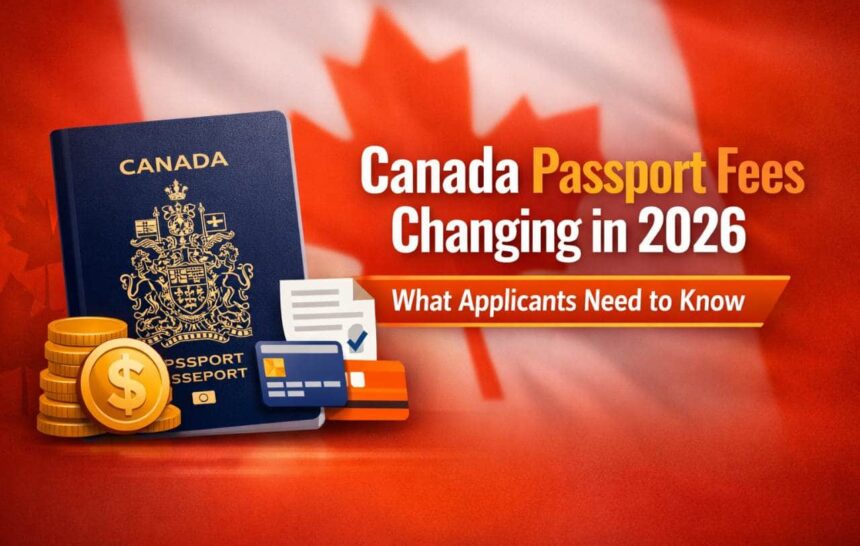
    Canadian Passport Fees Increase in 2026: What Changes on March 31 and What It Means for Travellers

    If you are planning a summer trip, renewing ID, or applying for your first travel document, here is one update you should not miss. A Canadian passport fee change is scheduled for the end of March 2026, and it is tied to inflation. That means the fee you pay for a passport will move up, even if your plans stay the same. For families, students, and frequent travellers, small increases can add up quickly, especially when you are applying for more than one passport at the same time.

    This new change also matters because it signals a bigger shift in how passport pricing may be handled going forward. The government is moving toward a system that adjusts fees using the Consumer Price Index, which is a standard measure of inflation. It is a simple idea. When costs rise, fees rise too. And based on what has been publicly discussed, more adjustments may be explored later as the passport program reviews its full operating costs.

    Canadian Passport Fees Increase: New Prices Starting March 31, 2026

    The immediate change is a 2.7 percent increase coming into effect on March 31, 2026, based on the CPI increase referenced in the update. Practically, that means a slightly higher fee for adult passports in Canada and for applications made from outside Canada.

    Here is a clear fee snapshot using the standard base fees that have been referenced publicly for adult passports.

    Passport typeFee before March 31, 2026Fee on or after March 31, 2026
    Adult 5 year passport in Canada$120.00$123.24
    Adult 10 year passport in Canada$160.00$164.32
    Adult 10 year passport outside Canada$260.00$267.02

    These are the main numbers most travellers will care about. If you are applying for your family, consider budgeting for multiple applications at once so the price change does not surprise you at the end of the month.

    Source: Immigration, Refugees and Citizenship Canada

    Why Passport Prices Are Rising Now

    Passport demand has been high in recent years, and governments have had to scale staffing, processing capacity, and delivery systems. At the same time, inflation has made basic operations more expensive. A CPI linked fee adjustment is a way to keep the system from falling behind rising costs.

    There is also another important context point. The passport program has discussed that the current fee structure does not fully reflect what it costs to run the program day to day, including support expenses, domestic delivery, and technology costs. So while March 31 is the confirmed increase date for this CPI step, more fee reviews may follow later, depending on decisions made after the program review is completed.

    How to Plan Your Passport Application Smartly

    If you want to avoid the March 31 fee change, the simplest approach is to apply early. Not the week before. Early enough that you can submit with confidence, correct documents, and the right photos.

    A few practical tips that help most applicants:

    1. Check your travel dates and apply well ahead of time

    2. Confirm which validity you need, 5 year or 10 year

    3. Keep copies of your documents for your records

    4. If applying as a family, build one checklist and submit together when possible

    Also, remember that passports can be a key ID document even inside Canada. If you are a student, a new worker, or a family that needs multiple passports, planning ahead reduces cost stress and last minute pressure.

    Stay Ready for Canadian Passport Fees Increase Updates

    The Canadian passport fees increase on March 31, 2026 is a real, scheduled change, and it is worth planning around if you are renewing soon. If you want help planning the right Canada pathway and staying on top of fast moving immigration and travel updates, follow ImmigCanada for daily verified updates. When you need trusted help, connect with ImmigCanada Immigration Consulting Services, work with a Best RCIC, and speak with experienced immigration consultants who can guide your next steps with clarity and care.

  • Atlantic Immigration Program New Brunswick Updates 2026: New Employer Rules and Candidate Pool System Explained

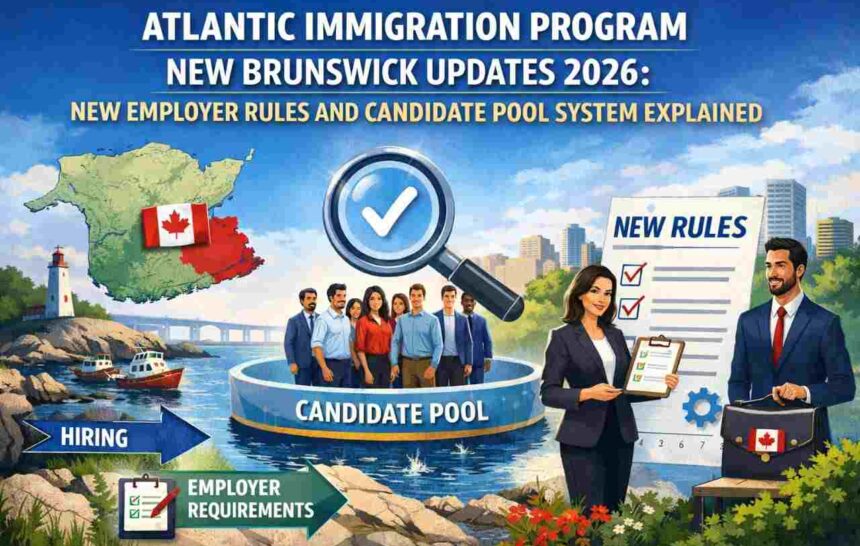
    Atlantic Immigration Program New Brunswick Updates 2026: New Employer Rules and Candidate Pool System Explained

    The Atlantic Immigration Program New Brunswick continues to play a major role in supporting regional workforce needs in Atlantic Canada. Recent updates from Immigration New Brunswick reflect a strategic move to better manage applications, align immigration with economic priorities, and improve long-term labour stability.

    As Canada strengthens its regional immigration pathways, the Atlantic Immigration Program New Brunswick remains an important opportunity for skilled workers and employers alike. However, new measures introduced in early 2026 indicate that applicants and employers must now plan more carefully than before. These adjustments aim to keep immigration sustainable while ensuring that newcomers contribute effectively to provincial growth.

    How the Atlantic Immigration Program New Brunswick Works

    The Atlantic Immigration Program New Brunswick is a federal-provincial initiative designed to help designated employers recruit skilled foreign workers and international graduates. Successful candidates receive support toward permanent residence when they hold a valid job offer from an approved employer. Employers must first become officially designated by Immigration New Brunswick. Once designated, they can recruit international talent for positions that cannot be filled locally. Each job offer must then receive provincial endorsement before the candidate applies for permanent residence. This system helps employers meet workforce shortages while giving newcomers a clear pathway to long-term settlement in Canada.

    New 2026 Changes to Atlantic Immigration Program New Brunswick

    Significant updates came into effect on February 3 2026. These changes reshape how applications are processed under the Atlantic Immigration Program New Brunswick.

    Key Policy Updates

    UpdateWhat It Means
    Temporary pause on employer designationNo new employer designation applications accepted currently
    Candidate pool introducedEndorsement applications placed in selection pool
    Monthly processing selectionApplications chosen based on provincial priorities
    Application expiry ruleApplications expire after 365 days if not selected

    This approach helps provincial authorities better manage demand and focus on sectors with genuine workforce needs.

    Priority Sectors and New Restrictions

    Another important development within the Atlantic Immigration Program New Brunswick involves occupation-specific restrictions. Authorities have temporarily paused endorsement consideration for certain industries.

    Positions in the accommodation and food services sectors are currently excluded from endorsement processing. Additionally, several occupations, such as retail supervisors, retail buyers, customer service representatives, and seafood processing roles, are not being considered.

    For foreign nationals living outside Canada, recruitment is largely focused on priority sectors including healthcare, education, and construction trades. These sectors remain critical to provincial economic stability.

    These targeted measures reflect Canada’s broader strategy of aligning immigration with labour shortages and economic development.

    Important Responsibilities for Workers and Employers

    Applicants under the Atlantic Immigration Program New Brunswick must maintain valid work authorization throughout the immigration process. Processing timelines cannot be guaranteed, and work permit expiry remains the applicant’s responsibility.

    Employers also play an important role. They must ensure job offers are genuine, comply with provincial standards, and support candidate settlement. Preparation and accuracy are now more important than ever.

    What These Changes Mean for Canada Immigration Applicants

    Canada continues to rely on regional immigration programs to support economic growth, especially in Atlantic provinces where population expansion and labour needs remain strong. The Atlantic Immigration Program New Brunswick offers a valuable pathway, but the new candidate pool system means selection is more competitive. Candidates who align with provincial labour priorities have stronger chances of success.

    Healthcare professionals, educators, and skilled trades workers are expected to remain in demand. Those already working in Canada may also benefit from employer support under the program. Careful planning and updated information are essential for success.

    Atlantic Immigration Program New Brunswick Remains a Strong Regional Pathway

    The Atlantic Immigration Program New Brunswick continues to support Canada’s regional development goals while adapting to changing labour market conditions. The introduction of a candidate pool system, employer designation pause, and sector prioritization reflects a more strategic approach to immigration planning.

    For applicants, this means better preparation, timely documentation, and alignment with provincial priorities. For employers, it ensures access to talent that supports sustainable growth.

    Canada remains a welcoming destination, and regional programs like this continue to offer meaningful opportunities for skilled newcomers.

    Stay informed with ImmigCanada for trusted Canada Immigration News, program updates, and expert insights that help you make confident immigration decisions. Follow us for the latest developments across Canada immigration programs and regional pathways.

  • Alberta Emerges as a Top Destination for Newcomers Amid Record Housing Growth and Falling Rents

    Alberta Emerges as a Top Destination for Newcomers Amid Record Housing Growth and Falling Rents

    Alberta is rapidly strengthening its appeal to newcomers, supported by record-breaking housing construction and a notable decline in rental costs. In 2025, the province recorded more than 53,000 housing starts, a 14% increase over the previous year and the highest total in provincial history.

    For newcomers considering settlement options, certified Canadian immigration consultants highlight Alberta as one of the few provinces successfully balancing population growth with housing supply.

    Record Construction Supports Population Growth

    Alberta led Canada in housing starts per capita for the second consecutive year, despite representing less than 12% of the national population. The province accounted for nearly 25% of all housing starts nationwide and over 80% across the Prairie provinces.

    Major urban centres such as Calgary and Edmonton saw double-digit growth in housing development, while mid-sized communities experienced some of the fastest rental market improvements.

    Rental Costs Decline as Supply Increases

    Rental affordability has also improved. Alberta’s average asking rent now sits nearly $400 below the national average, with rents decreasing almost twice as fast as the national rate in 2025.

    According to regulated immigration consultants, this affordability advantage plays a critical role in newcomer retention and long-term settlement success especially for immigrants arriving through provincial nominee programs.

    Affordable Housing for Vulnerable Populations

    Alberta’s government currently supports more than 60,000 households through affordable housing initiatives, including rental assistance for over 13,000 households. Since launching its Stronger Foundations strategy, the province is nearing the halfway mark toward supporting 25,000 additional households by 2031.

    What This Means for Immigration Planning

    Housing availability and cost are now central considerations in immigration decision-making. Alberta’s ability to scale housing alongside immigration positions it as a sustainable destination for skilled workers and families.

    According to ImmigCanada immigration consulting services, candidates targeting Alberta benefit from both economic opportunity and long-term affordability, two pillars essential for successful settlement. If you are exploring immigration options in Alberta, consulting a Regulated Immigration Consultant can help you align your career goals with provincial opportunities. ImmigCanada, recognized by many as the best RCIC in Canada, offers trusted, up-to-date guidance for newcomers planning a stable future in Alberta.